

How to create a shooting schedule from a screenplay
Build a practical first-pass shooting schedule by grouping broken-down scenes around locations, cast, light, pages, company moves, and production complexity.
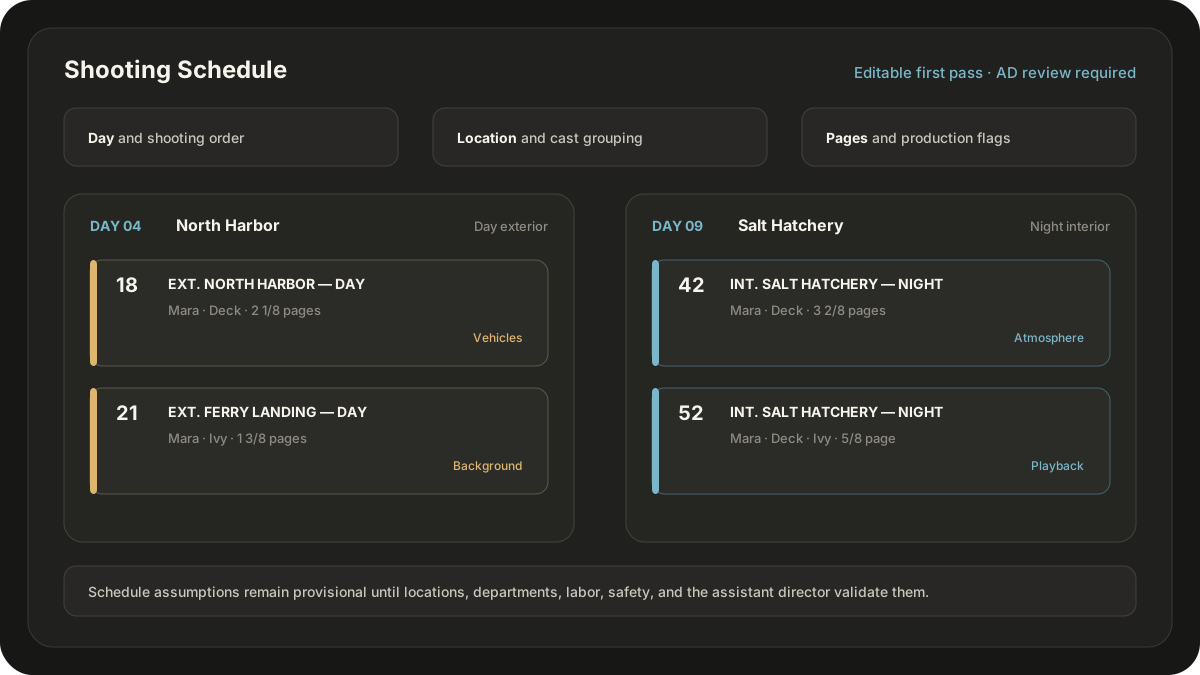
A shooting schedule assigns screenplay scenes to production days and an intended order. It starts with a complete script breakdown, then balances location, cast, daylight, page count, department needs, company moves, and scene complexity.
The goal is not to shoot in story order. It is to create an executable plan that protects the material while using people, places, and time responsibly.
Start with a reconciled script breakdown
Every scheduled strip should carry the scene number, slugline, interior or exterior, story time, page length, cast, location or set, synopsis, and production flags. Confirm that every scene appears once and that the breakdown belongs to the current shooting-script version.
Separate screenplay facts from production decisions. A written location can map to a practical set, and several written rooms may share one physical location.
Group by the expensive constraints
Begin with constraints that are difficult or costly to move:
- Location access and company moves.
- Cast availability and contractual limits.
- Daylight, night work, weather, and seasonal conditions.
- Stunts, effects, vehicles, crowds, minors, animals, intimacy, or specialist work.
- Standing sets, builds, strikes, and department readiness.
Only then balance page count. Pages are a useful workload signal, not a universal clock. A short scene with water, vehicles, resets, and night exterior work may consume more time than several pages of controlled dialogue.
Build days, then order the day
For each tentative day, total the pages and review the cast, locations, sets, and special requirements. Mark split days, night work, pre-calls, rigging, rehearsals, meal periods, travel, and likely company moves.
Within the day, order scenes around practical execution. Lighting continuity, performer readiness, location access, background, effects resets, and department turnover can matter more than screenplay sequence.
A fictional scheduling choice
Suppose the harbor thriller contains three container-yard scenes:
- Scene 18: day exterior, Mara photographs an arriving ship.
- Scene 31: night exterior, Mara and Deck flee through the yard.
- Scene 44: dawn exterior, police secure the evidence.
One location does not automatically mean one day. The day, night, and dawn requirements create different lighting and crew implications. Scene 31 also carries stunt, vehicle, atmosphere, and reset needs. A first pass might cluster the physical location while assigning separate units or days after the assistant director, cinematographer, line producer, and departments test the plan.
What each schedule row should show
An editable schedule should make these fields visible:
- Day and shooting order.
- Scene, slugline, interior or exterior, and story time.
- Pages, cast, shoot location, and set.
- Estimated hours as a provisional planning cue.
- Flags and departments.
- Multi-camera or special-unit requirements.
- Notes and unresolved dependencies.
Estimated hours from any first pass must remain visibly provisional. The working schedule depends on department input, scouting, blocking, labor rules, safety requirements, and the assistant director's judgment.
Stress-test before circulation
Review each day for:
- Missing scenes or duplicated scene numbers.
- Cast appearing on isolated days that might consolidate.
- Unrealistic moves, turnarounds, daylight assumptions, or resets.
- Equipment and specialist work scattered across avoidable rental periods.
- Consecutive high-complexity scenes with no recovery or contingency.
- Weather-cover options and location dependencies.
- Schedule changes that alter the Finance Plan.
The DGA's Low Budget Agreement resources show why production tier and applicable agreements matter to the planning conversation. The Contract Services safety bulletins are another useful reference point. Confirm current requirements with the production's qualified professionals and the agreements and jurisdictions that actually apply.
Keep the schedule tied to the screenplay version
When revisions arrive, identify added, omitted, renumbered, and rewritten scenes. Reconcile the breakdown first, then regenerate or revise the schedule. A small screenplay change can introduce a new cast day, location, prop, stunt, or night requirement.
A strong shooting schedule makes assumptions visible and gives every department a shared plan to challenge. Its first draft should be fast to create. Its final form should be the result of human production judgment.
Start with the production breakdown guide, reconcile the director's shot list, and review schedule-driven changes against the ATL and BTL cost framework.
Generate an editable first-pass schedule
Prescene groups screenplay scenes into shoot days by location, cast, time of day, pages, and production demands for an assistant director to refine.